
 EN
 TR
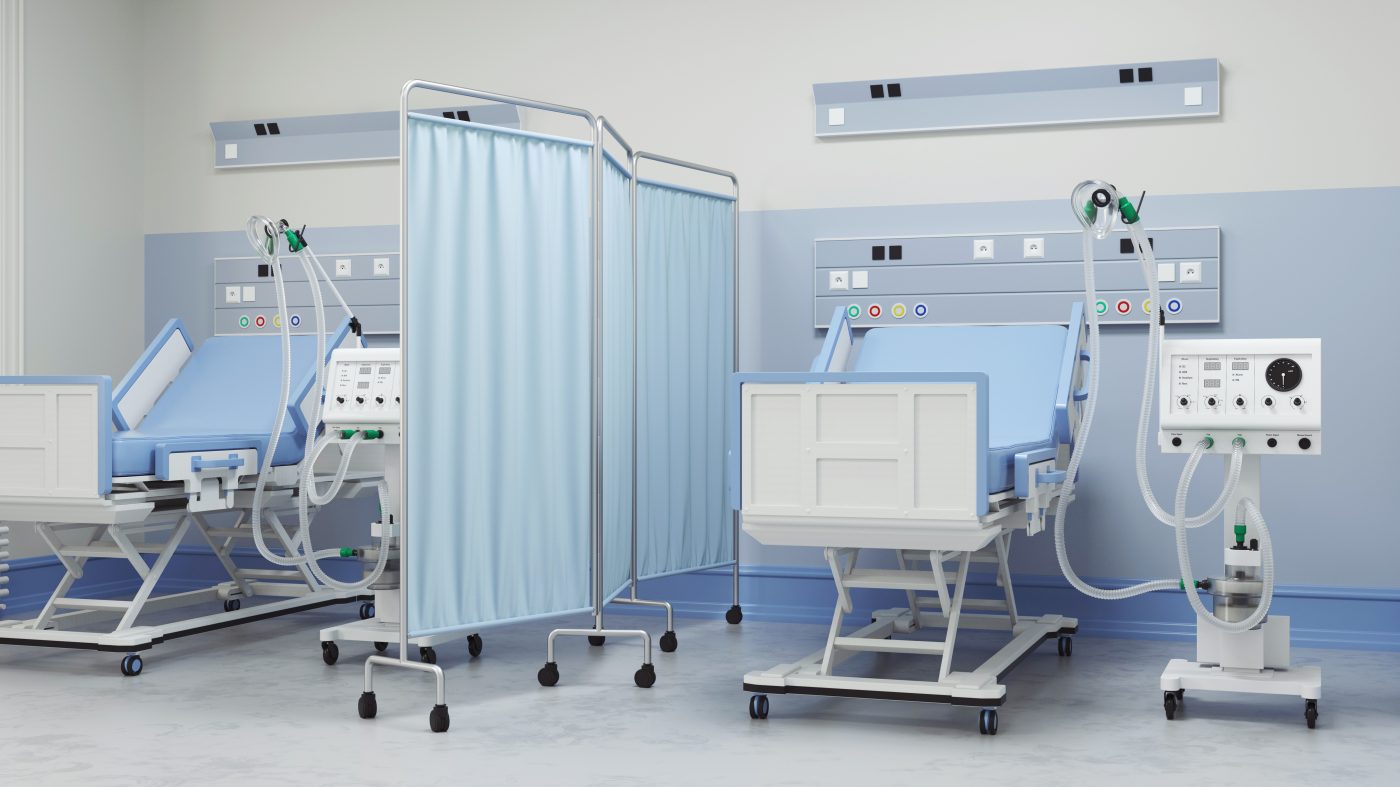
İzolasyon Odaları
The purpose of an isolation room is to prevent cross-infection and spread of disease among people in healthcare facilities by keeping the number of infectious particles in the air below a certain value by controlling the air flow. This can be achieved by the following methods:
- Control of supply and exhaust air quantity and quality
- Ensuring pressure differences between adjacent neighborhoods
- Designing airflow models for specific clinical procedures
- Diluting the amount of contaminant particles with high air volumes
- Air filtration – HEPA filters etc.
The following types of isolation rooms can be counted:
- Neutral or standard room air pressure, standard air conditioning
- Positive room pressure to protect immune-compromised patients from airborne infections
- Negative room pressure, to protect other people from patients at risk of infection
- By using additional barriers such as negative room pressure, entrance room, known as quarantine room
Ülkemizde yoğun bakım üniteleri 1.2. ve 3. Seviye olmak üzere 3 seviyeye ayrılmıştır. Yoğun bakım servislerinin seviyesi tespit, denetim ve değerlendirme formun
(http://www.istanbulsaglik.gov.tr) desired conditions, including physical conditions, have been defined in different intensive care units.
Isolation measures used in intensive care units can be classified as 5 under the name of respiratory isolation, droplet isolation, contact isolation and protective environment, which are under standard precautions and extended measures. (see COMMUNIQUÉ ON IMPLEMENTATION PROCEDURES AND PRINCIPLES OF INTENSIVE CARE SERVICES IN MEDICAL FACILITIES https://www.mevzuat.gov.tr/)
In isolation rooms, monitoring the values of differential pressures with analog or digital indicators or pressure monitoring systems that can give alarms and warnings in case the desired pressure values cannot be achieved, ensures the protection of personnel and patients, depending on the type of room.